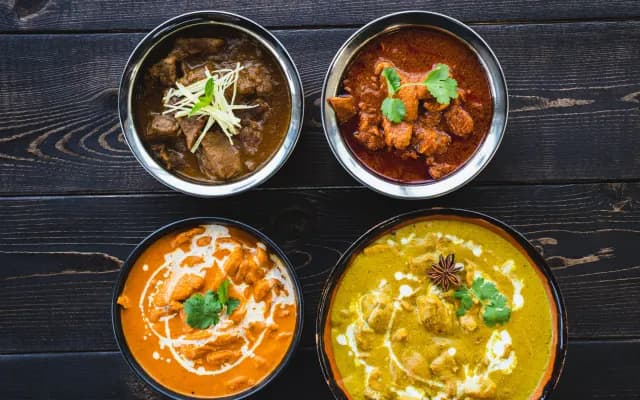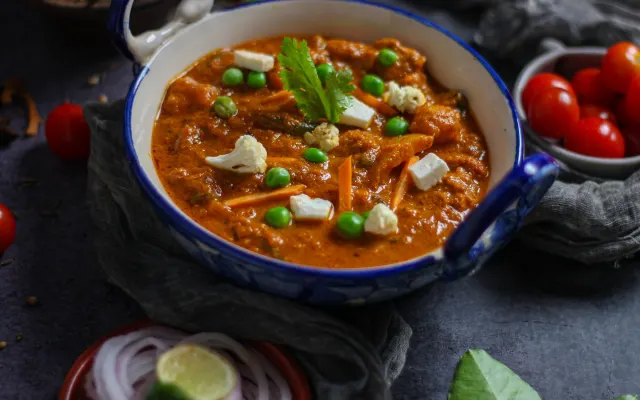
Masala simply means a mixture of spices. It is not one thing, and it is not a brand of flavour — it is a category, the way "sauce" is a category. The confusion is understandable, because the same word covers a blend in a packet, a wet paste made at home, and the base of a finished dish.
Dry blends and wet pastes
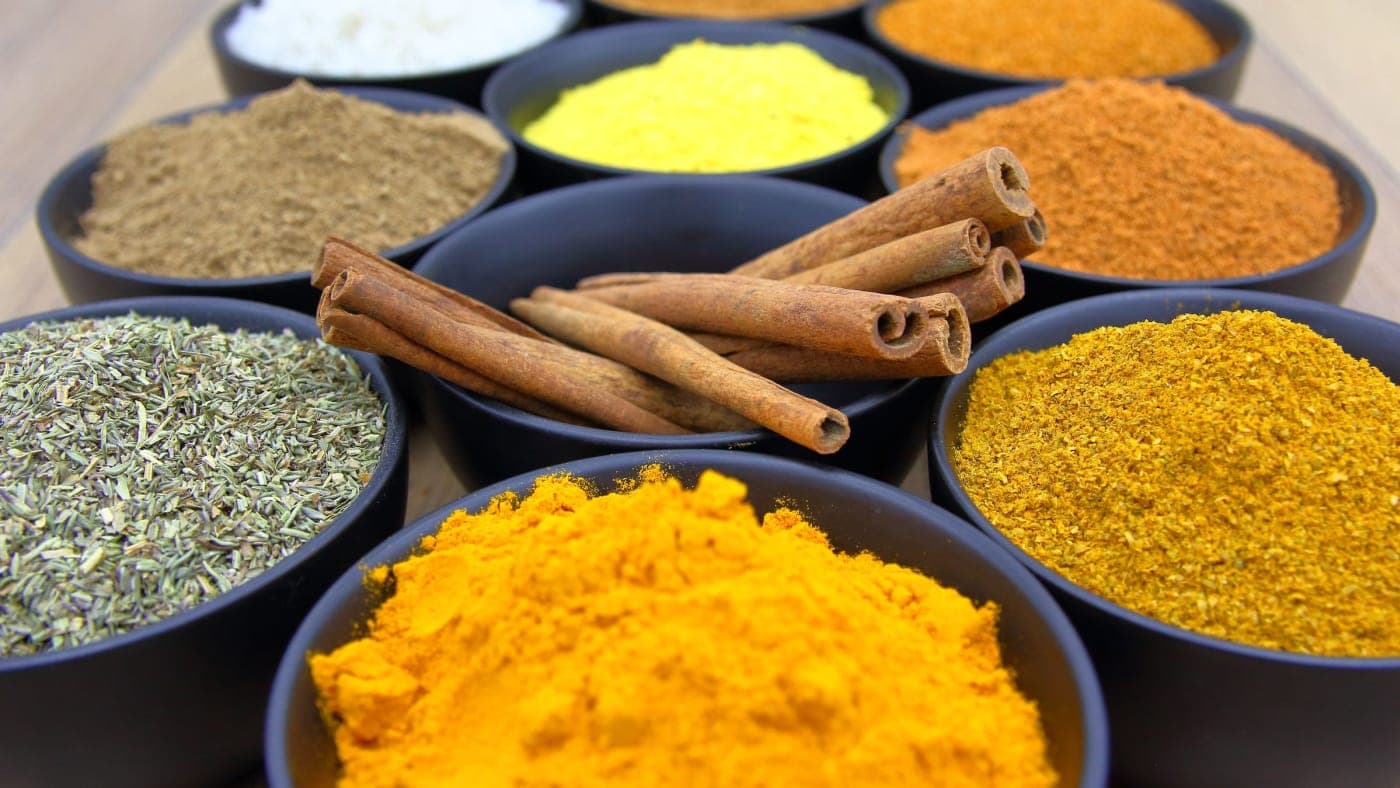
A dry masala is ground spices, sometimes roasted first, with no moisture. It keeps for months in a sealed jar away from light.
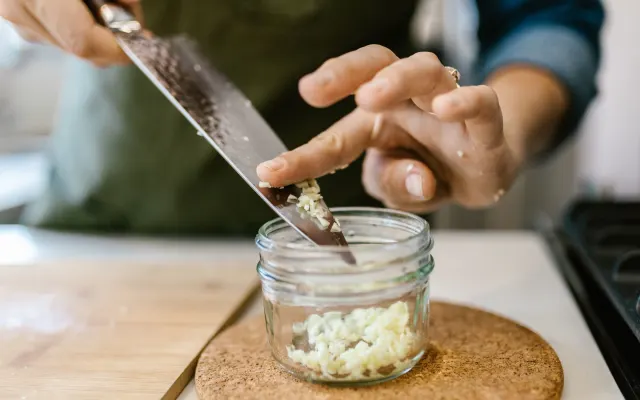
A wet masala adds something with water in it — ginger, garlic, onion, chilli, coconut, herbs. More immediate in flavour, far shorter-lived, usually refrigerated.
The distinction matters because they behave differently in the pan. A dry masala needs liquid nearby or it scorches in seconds. A wet masala needs to fry until its water cooks off.
Blends you will meet
Garam masala — literally "warm spices". Cinnamon, cardamom, cloves, pepper, often nutmeg or mace. Aromatic rather than hot, and usually added at the end, because its volatile oils are the first thing a long cook destroys.
Chaat masala — sour and salty rather than warm. Dried mango powder, black salt, cumin. A finishing seasoning, not a cooking one; it goes on fruit, chaat and fried snacks after they leave the pan.
Sambar and rasam podi — south Indian blends with roasted lentils ground in alongside the spices, which gives body as well as flavour.
Panch phoron — a Bengali five-spice used whole, not ground, bloomed in hot fat at the start.
Dish-specific blends — chicken masala, sabzi masala, chole masala and so on, weighted for what they are named after.
When to add what
This single question explains most spice mistakes:
- Whole spices — at the very start, in hot fat, to flavour the oil.
- Ground spices — mid-cook, with liquid arriving within seconds. They burn faster than anything else in the pan.
- Aromatic finishing blends like garam masala — at the end, off or nearly off the heat.
- Souring blends like chaat masala — after cooking, on the plate.
Adding garam masala at the beginning is the classic beginner error. By the time the dish is ready, everything that made it worth adding has evaporated.
Storing them
Whole spices keep their aroma far longer than ground ones — a year or more against a few months. If you use spices rarely, buying whole and grinding small amounts is the more economical choice as well as the better-tasting one.
Keep jars away from heat, light and steam. The rack above the stove is convenient and is the fastest way to flatten a blend.
How much to use
Less than you think, at first. Spices build as a dish cooks and reduces, and an over-spiced curry cannot be fixed. Season, taste near the end, and adjust then.
- masala
- spices
- guide
Seelbatta · Kitchen team
Last reviewed 15 Oct 2026
Share